How Industrial Suppliers Can Generate More Qualified Leads Online
Learn how industrial suppliers can attract qualified B2B buyers through better websites, search visibility, targeted advertising, and enquiry management.


For many industrial suppliers, winning new customers still depends heavily on personal relationships, referrals, trade exhibitions, and direct sales.
These methods remain valuable. However, relying on them alone can make business growth unpredictable.
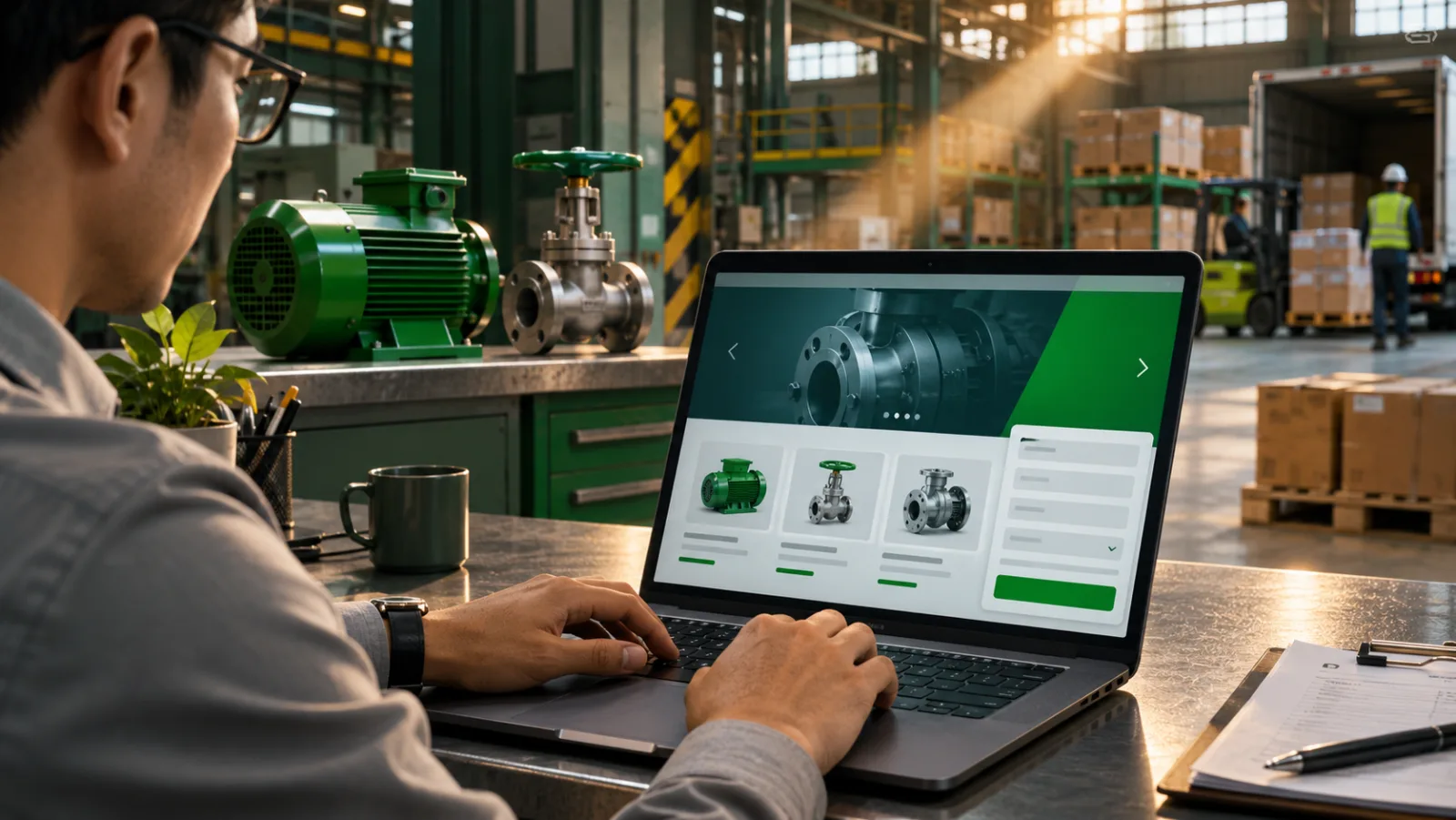
Today's industrial buyers often begin their research online. Procurement managers compare suppliers, engineers look for technical specifications, and project managers evaluate equipment options before contacting a sales representative.
The opportunity is not simply to attract more website visitors. It is to connect with buyers who have a genuine requirement and are ready to discuss a project or request a quotation.
Understanding How Industrial Buyers Make Decisions
Industrial purchasing decisions are rarely spontaneous.
A company purchasing machinery, replacement parts, or engineering services may need to evaluate several factors before choosing a supplier.
These typically include product compatibility, technical specifications, delivery availability, certifications, pricing, and after-sales support.
The decision may also involve multiple stakeholders, including procurement teams, engineers, operations managers, and financial decision-makers.
This means industrial marketing must provide useful information throughout the buying process rather than focusing only on promotional messages.
A website that helps buyers answer their questions can become an important part of the sales process.
Build a Website That Supports Technical Buyers
An effective industrial website should do more than introduce the company.
It should make it easy for potential customers to identify suitable products and understand whether the supplier can meet their requirements.
Useful website features include:
- Clearly organised product and service categories.
- Detailed technical specifications and downloadable datasheets.
- Information about product applications and supported industries.
- Certifications, manufacturer partnerships, and relevant project experience.
- Accessible quotation request forms and contact information.
For example, an equipment distributor selling industrial pumps could provide separate pages for different pump types, operating capacities, and applications.
This allows buyers to identify relevant equipment before contacting the sales team.
The result is a more informed enquiry and potentially a more productive sales conversation.
Use Search Visibility to Reach Buyers with Specific Requirements
Search engine optimisation helps industrial suppliers appear when potential customers research equipment, components, or technical services.
Rather than focusing only on broad keywords such as "industrial equipment", businesses can target more specific searches.
Examples include:
- Industrial hydraulic pump supplier.
- Stainless steel valves for chemical processing.
- Heavy lifting equipment for mining operations.
- Industrial compressor maintenance services.
These searches may have lower search volumes, but they can represent more specific purchasing requirements.
Creating useful product pages, application guides, and technical articles helps search engines understand the company's expertise while providing buyers with relevant information.
Use Digital Advertising to Capture Active Demand
SEO builds visibility over time, while paid search advertising can help suppliers reach buyers actively searching for products or services.
Google Ads can be particularly useful for product categories where customers already know what they need.
For example, a company searching for a specific industrial component may be closer to requesting a quotation than someone researching general industry trends.
However, successful advertising requires more than selecting keywords.
Campaigns should connect relevant searches to dedicated landing pages containing product information, supporting evidence, and a clear enquiry process.
Advertising performance should also be evaluated based on qualified leads rather than clicks alone.
Turn Enquiries into Sales Opportunities
Generating enquiries is only the beginning.
A potential customer may submit a request containing incomplete specifications, unclear quantities, or insufficient project information.
A structured enquiry form can help collect important details before the sales team responds.
For example, an RFQ form might request the required product, quantity, technical specifications, delivery location, and expected project timeline.
Connecting these enquiries to a customer relationship management system can also help sales teams track follow-ups, quotation status, and opportunities.
The objective is to reduce administrative work while improving the quality of customer conversations.
Measure What Actually Matters
Website traffic is useful, but it does not tell the full story.
Industrial suppliers should also monitor the number of quotation requests, qualified enquiries, enquiry-to-quotation conversion rates, and sales opportunities generated through digital channels.
These measurements help businesses understand which marketing activities contribute to meaningful commercial outcomes.
Conclusion
Industrial lead generation works best when the website, search visibility, advertising, and sales process support one another.
A supplier does not necessarily need thousands of website visitors. It needs to reach the right buyers, provide the information they require, and make the next step straightforward.
NusaDigital helps industrial suppliers build connected digital systems that turn online interest into qualified business enquiries.
Let's Improve Your Industrial Lead Generation