B2B Lead Generation: How to Attract Decision-Makers, Not Just Website Traffic
Learn practical B2B lead generation strategies using SEO, Google Ads, targeted content, and landing pages to attract decision-makers and qualified enquiries.


More Traffic Does Not Always Mean More Business
For B2B service companies, attracting website visitors is relatively straightforward compared with turning those visitors into qualified business opportunities.
A marketing campaign may generate thousands of impressions and hundreds of clicks. However, if the people clicking are not the right buyers, those numbers may have little commercial value.
A consulting firm does not simply need more visitors. It needs conversations with businesses that have relevant problems, suitable budgets, and a genuine reason to consider its services.
Effective B2B lead generation begins with understanding who you want to reach, what they need, and how they evaluate potential suppliers.
1. Define Your Ideal Customer Profile
Before investing in advertising or content, identify the types of companies most likely to benefit from your services.
An ideal customer profile, or ICP, describes characteristics such as industry, company size, location, business challenges, and buying requirements.
For example, an IT consulting company may focus on medium-sized professional service firms that rely on several disconnected business applications.
That is more useful than targeting every company interested in technology.
You should also identify the people involved in purchasing decisions.
A business owner may focus on costs and outcomes. An operations manager may care about efficiency. An IT manager may evaluate security, compatibility, and implementation risks.
Your marketing needs to address these different concerns.
2. Use Search Marketing to Reach Buyers With Intent
Search engines can help you reach businesses already looking for a solution.
Someone searching for "CRM integration for consulting firms" may have a more specific requirement than someone searching for "what is CRM".
Both searches can be useful, but they represent different stages of the buying journey.
SEO helps your company become discoverable through useful service pages, educational articles, and relevant case studies.
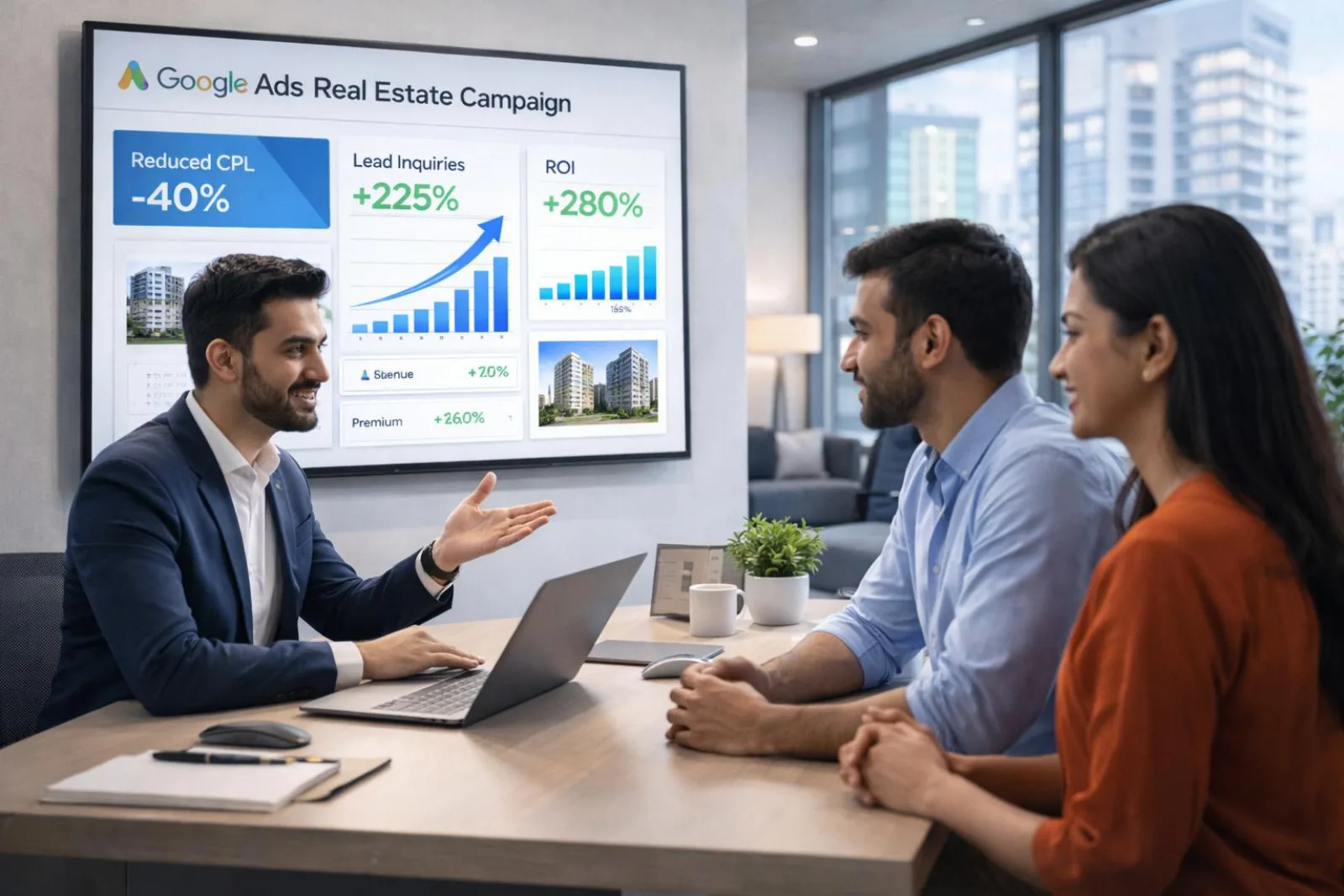
Google Ads can provide additional visibility for selected commercial searches, although results depend on competition, targeting, landing page quality, and budget.
Focus on keywords connected to real customer problems rather than simply pursuing the largest search volumes.
3. Build Landing Pages Around Specific Problems
Sending every advertisement to your homepage can make it harder for visitors to find relevant information.
A company searching for lead management software should arrive on a page explaining lead management, not a general list of unrelated services.
An effective B2B landing page should include a clear explanation of the problem, your proposed approach, relevant evidence, and an appropriate next step.
Keep the message consistent between the advertisement and the landing page.
For example, if an advertisement promises to help consulting firms manage enquiries more effectively, the destination page should explain that specific service.
4. Build Trust Before Asking for a Sales Conversation
B2B buyers may research several providers before making contact.
They might read articles, review case studies, compare services, and discuss options internally.
Educational content helps your company become part of that research process.
Useful content includes industry-specific guides, common implementation mistakes, practical checklists, and explanations of how projects work.
LinkedIn and other relevant social channels can distribute this content and demonstrate expertise over time.
Rather than publishing generic promotional posts, share insights that help prospective customers make better decisions.
5. Connect Marketing Channels to Your Sales Process
A lead generation strategy becomes more valuable when you can identify where enquiries originate and what happens afterward.
Use appropriate campaign tracking, analytics, and CRM records to connect website enquiries with marketing activity.
For example, a prospect may discover your business through Google, read a case study, and later submit an enquiry.
Not every customer journey can be measured perfectly. Privacy restrictions, multiple devices, and offline conversations can limit attribution.
Even so, consistent tracking can reveal useful patterns.
6. Measure Qualified Opportunities, Not Just Clicks
Cost per click and website traffic are useful operational metrics, but they do not necessarily indicate sales performance.
For B2B marketing, consider monitoring:
- Qualified enquiries and consultation requests.
- Cost per qualified lead.
- Opportunities created in the sales pipeline.
- Lead-to-opportunity conversion rate.
- Revenue associated with acquired customers.
Review these metrics alongside lead quality and sales feedback.
A campaign with fewer leads may be more valuable if those leads are better aligned with your services.
Conclusion
Successful B2B lead generation is not about reaching everyone. It is about becoming visible to the right businesses, communicating relevant expertise, and creating a clear path toward a sales conversation.
When SEO, advertising, content, landing pages, and CRM work together, your marketing becomes easier to evaluate and improve.
Attract the right buyers, not just more visitors.
NusaDigital helps B2B service companies develop connected marketing and lead generation systems built around their customers and commercial goals.
Explore B2B Lead Generation Solutions